
Introduction
Picture this: a shipment of fragile electronics is packed and ready to leave the factory, headed for a buyer three continents away. If the foam packaging inside that box isn’t cut right, even a small gap or an uneven edge, the product could arrive damaged, and the exporter bears the cost. That single risk is why so many export-oriented factories have started replacing manual cutting tables with an Automatic EPE Foam Cutting Machine. It’s not just about speed anymore. It’s about producing the same accurate cut, order after order, whether you’re shipping fifty units or fifty thousand. In this article, we’ll get into why this shift is happening, what the machine brings to the table, and what factories should actually look for before bringing one onto their floor.
What an Automatic EPE Foam Cutting Machine Actually Does?
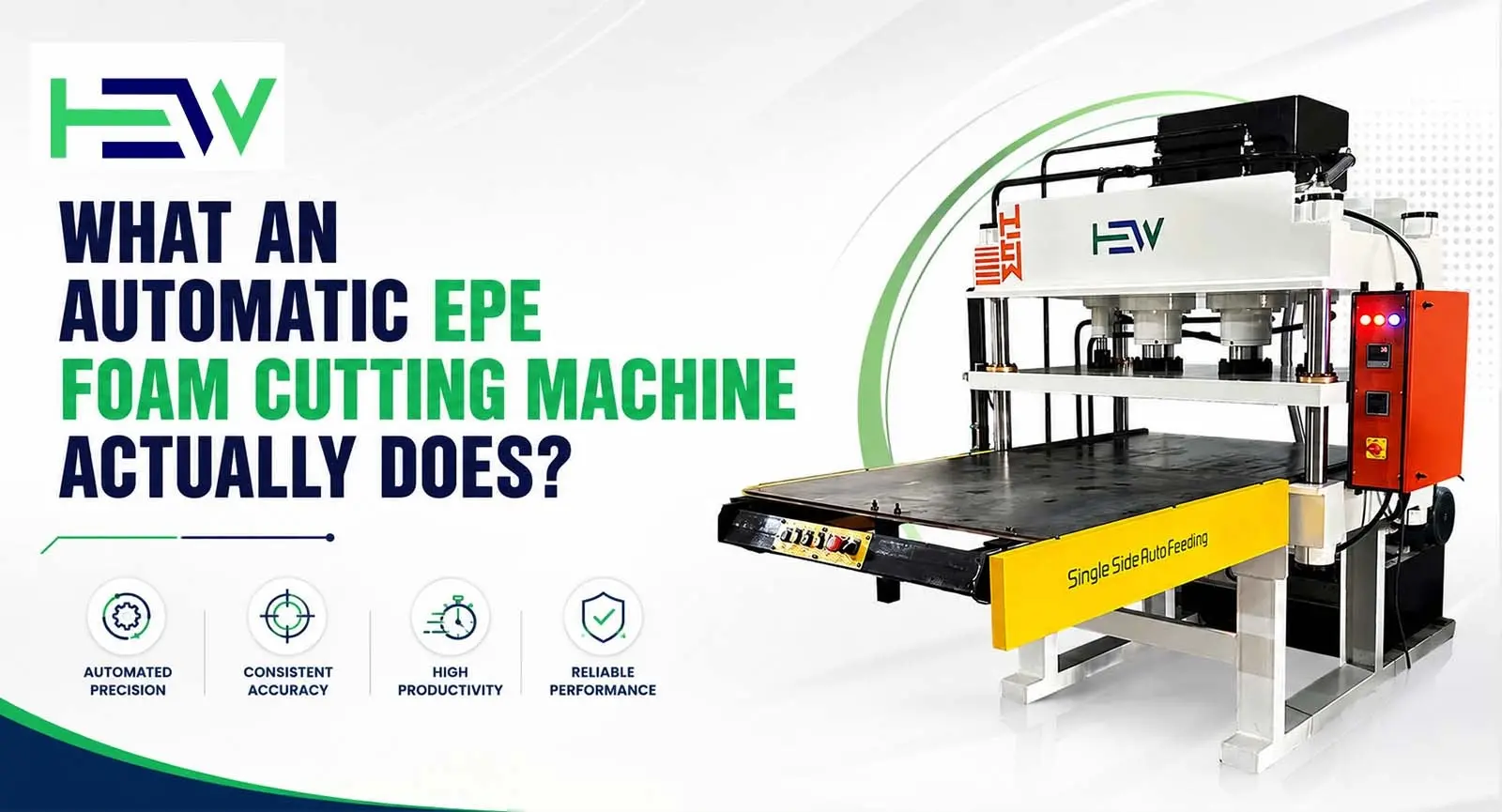
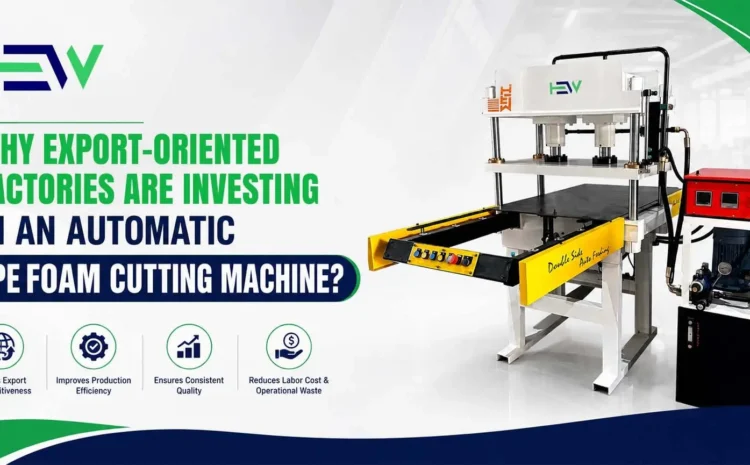
At its core, an Automatic EPE Foam Cutting Machine is a hydraulic die cutting machine built to handle EPE foam along with materials like EVA, leather, and plastic sheet. It’s controlled through a PLC, or programmable logic control system, which lets operators set up automatic cutting on either a single-sided table or a double-sided table, depending on how much volume the factory needs to push through.
The machine typically works with a stroke of around 300mm, and the top head to bottom table opening can range anywhere from 50mm to 300mm, which covers a foam thickness of up to roughly 100mm. Feeding is handled through a pneumatic cylinder, so sheets move into the cutting area without someone manually pushing material through every single cycle.
This setup of Automatic EPE Foam Cutting Machine is mainly used for die cutting non-metal materials, foam, EVA, PE, EPE, leather, and fabric, which makes it especially useful for packaging foam used in electronics and other electric products that need that extra layer of protection.
Why Export Factories Care So Much About Foam Cutting Precision?
When you’re shipping domestically, a slightly off-size foam insert might still get the work done. Export shipping doesn’t offer that kind of margin. Goods spend longer in transit, go through more handling, and face rougher conditions along the way. A foam insert that’s even a few millimeters loose can mean the product shifts inside the box, and that’s exactly the kind of thing that shows up as a damage claim weeks later.
That’s really the whole point behind an Automatic EPE Foam Cutting Machine: it takes hand-to-hand variation out of the process, so every piece coming off the line fits the way it’s supposed to.
The Reasons Behind the Shift to Automation
Many factories are moving toward automation because it simply makes day-to-day production easier, smoother, and more reliable. Here are some of the major reasons why there is a drastic shift to automation:
- Consistency at Scale: Manual cutting depends on the person doing the cutting, and even skilled workers have off days. A PLC-controlled system doesn’t get tired by the two-hundredth cut of the shift. It repeats the same setting precisely, which matters a lot when a buyer overseas expects every carton in a shipment to look and perform the same way.
- Less Material Waste: Foam isn’t cheap, and neither is shipping wasted material you never even get to use. Because the machine is set up around fixed automatic cutting rather than manual measurements, factories tend to see far less scrap coming off the table compared to older cutting methods.
- Cutting and Punching in One Go: Some export orders need more than a clean cut; they need holes punched in specific spots for handles, vents, or component slots. A few automatic EPE foam cutting machines are actually built to cut EPE foam sheets while punching holes in the same pass, automatically removing the punched-out material as it goes. That saves a whole separate production step.
- Fewer Hands, Fewer Errors: The more people involved in a manual process, the more chances there are for something to go slightly wrong. With a user-friendly automatic interface, factories can run production with fewer operators overseeing the machine, and that alone reduces the room for human error creeping into an export order.
When the work needs to stay consistent, reduce waste, and avoid unnecessary mistakes, automation starts to feel less like a luxury and more like a practical choice.
What Makes a Reliable Automatic EPE Foam Cutting Machine?
Not every machine on the market is built the same way, so it helps to know what actually separates a dependable one from the rest:
- PLC control that allows both automatic and manual cutting modes
- Single-side or double-side table structure, depending on production volume
- Pneumatic feeding system for smoother, hands-off material movement
- Cutting precision that holds up across EPE, EVA, leather, and plastic sheet
- A stroke range and table opening wide enough to handle varying foam thickness
A reliable machine handles different materials smoothly, stays accurate over time, and gives the factory enough control to work without constant trouble.
Where This Machine Fits Into an Export Business?
Factories that manufacture electronics, appliances, glass, and fragile goods rely heavily on foam packaging to protect products during long-distance shipping. An Automatic EPE Foam Cutting Machine fits right into that workflow, producing die-cut foam inserts, protective sheets, and molded packaging pieces at a pace that keeps up with export order volumes, without sacrificing the fit and finish that international buyers expect.
What to Look for Before You Invest?
Before bringing a machine onto the floor, it’s worth checking a few things with the manufacturer:
- Whether the machine offers both single-sided and double-sided table options
- The maximum foam thickness it can comfortably cut
- Whether the supplier has genuine export experience and can support international delivery
- After-sales support, since a machine that’s hard to service becomes a costly problem fast
- Whether the manufacturer tests each machine properly before it leaves the facility
Conclusion
The shift toward an Automatic EPE Foam Cutting Machine isn’t just a trend; it’s a practical response to what export-oriented manufacturing actually demands: precision, consistency, and packaging that holds up no matter how far it travels. At HEW Foam Cut Machine, we’ve spent decades building foam cutting machines that are designed around exactly this kind of reliability, with the manufacturing, testing, and after-sales support to back it up. For factories serious about protecting what they ship, this is one investment that tends to pay for itself fairly quickly.